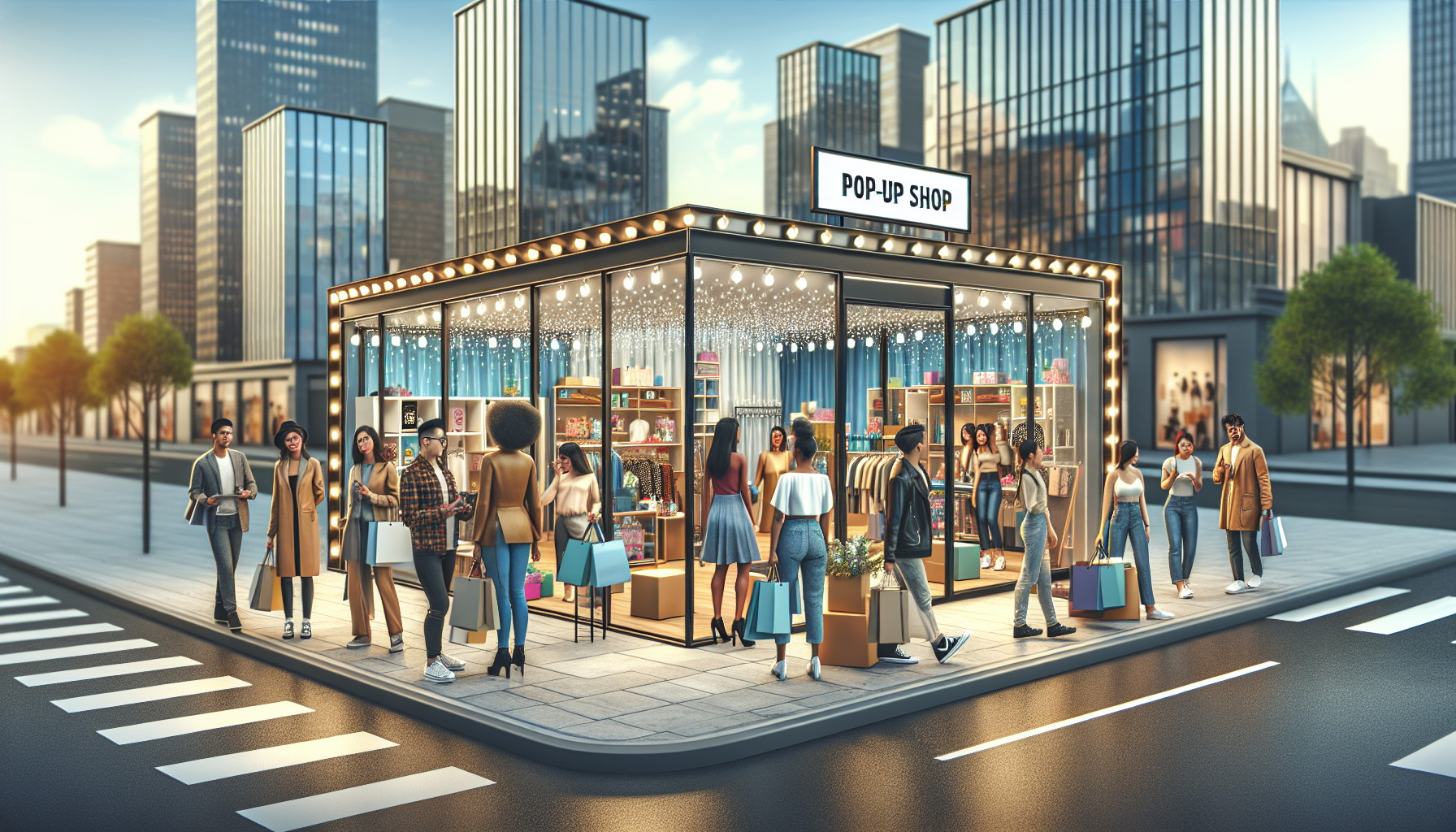
How Pop-Up Shops Are Transforming the Retail Experience: A Dive into the Latest Trends
In today's ever-evolving retail landscape, brands are constantly seeking innovative ways to captivate consumers and deliver unique shopping experiences. Among these strategies, pop-up shops have emerged as a dynamic tool for engaging with customers and testing new products. Let's explore how pop-up shops are reshaping retail marketing and discuss some insightful examples from recent industry research.
The Rise of Pop-Up Shops
Pop-up shops—temporary retail spaces that open for a limited period—have gained significant traction over the past decade. They offer brands the opportunity to create buzz and foster direct connections with their audience. According to a Digiday+ Research survey, a third of brands are incorporating pop-ups into their marketing plans, particularly during strategic seasons like fall.
The allure of pop-ups lies in their exclusivity and novelty. By generating buzz and creating experiences that are limited in availability, these shops drive word-of-mouth marketing and enhance brand visibility. For brands, particularly digitally-native ones, pop-ups are an invaluable way to capture new audiences and expand brand reach.
Why Brands Love Pop-Ups
-
Market Testing Across Diverse Locations: Pop-ups provide the perfect platform for brands to test products in various markets without committing to a permanent retail presence. For instance, brands like Liquid I.V. have utilized pop-ups to gauge customer preferences and product viability in different regions.
-
Building Brand Love and Awareness: While direct ROI measurement may be challenging, pop-ups excel at boosting brand love and awareness. As Liquid I.V.'s CMO, Stacey Andrade-Wells pointed out, the emphasis on memorable experiences plays a crucial role in building community around a brand.
-
Flexible and Cost-Effective: Compared to traditional brick-and-mortar stores, pop-ups offer flexibility and require less capital, making them ideal for startup brands with limited budgets. This flexibility enables brands to adapt to different environments and audience preferences quickly.
Unique Experiences: The Heart of Successful Pop-Ups
One of the defining factors of a successful pop-up is the unique brand experience offered. In the Digiday study, every pop-up included some form of product sampling, with immersive experiences and activities enhancing customer engagement.
The key is creating experiences that not only stand out but also align naturally with the brand and its products. For instance, Liquid I.V. strategically ties its pop-ups to occasions like music festivals, where its hydration products are particularly relevant. On the other hand, Graza, an olive oil brand, creatively hosted a refill day at McCarren Park, encouraging community interaction while promoting its product.
Examples of Creative Pop-Up Experiences
-
Lucky Energy’s Scratch-Off Promotion: During Coachella, Lucky Energy distributed scratch-off lottery tickets to attendees, which resulted in both increased brand visibility and a notable 50% lift in digital sales over the event weekends.
-
Poppi’s Exclusive Pop-Up Party: To celebrate a new soda flavor, Poppi hosted an exclusive VIP event featuring a DJ set by Paris Hilton, followed by a public pop-up. This not only drew attention to the new flavor but also enhanced its brand image through a futuristic "Poppi Mart" experience.
Challenges and Measuring Success
While pop-ups are effective for brand exposure, quantifying their success remains complex. Brands often rely on social media engagement, direct consumer feedback, and event participation metrics to evaluate the impact of their pop-ups.
However, as Graza's director of marketing Kali Shulklapper noted, the focus is less on traditional ROI and more on capturing the general vibes and online conversations stemming from these experiences. This organic feedback loops back into future marketing and product strategies.
Conclusion: The Future of Retail Experiences
Pop-up shops continue to revolutionize the retail landscape by offering brands a versatile and engaging way to interact with consumers. As the retail environment becomes increasingly competitive, pop-ups provide an edge with their ability to deliver fast-paced, immersive experiences that foster brand loyalty and excitement.
For emerging brands, mastering the art of the pop-up can lead to significant gains in brand recognition and consumer engagement, setting a strong foundation for long-term success. As we look to the future, the blending of digital strategies with these physical activations will likely further enhance the impact of pop-ups within marketing playbooks.
Final Thoughts
The next time you see a pop-up shop in your city, remember the strategic planning behind these fleeting stores. They aren’t just selling products; they’re crafting unforgettable experiences and forging connections that last well beyond closing time. As brands continue to explore creative avenues, pop-ups are set to remain a pivotal aspect of modern retail strategy.