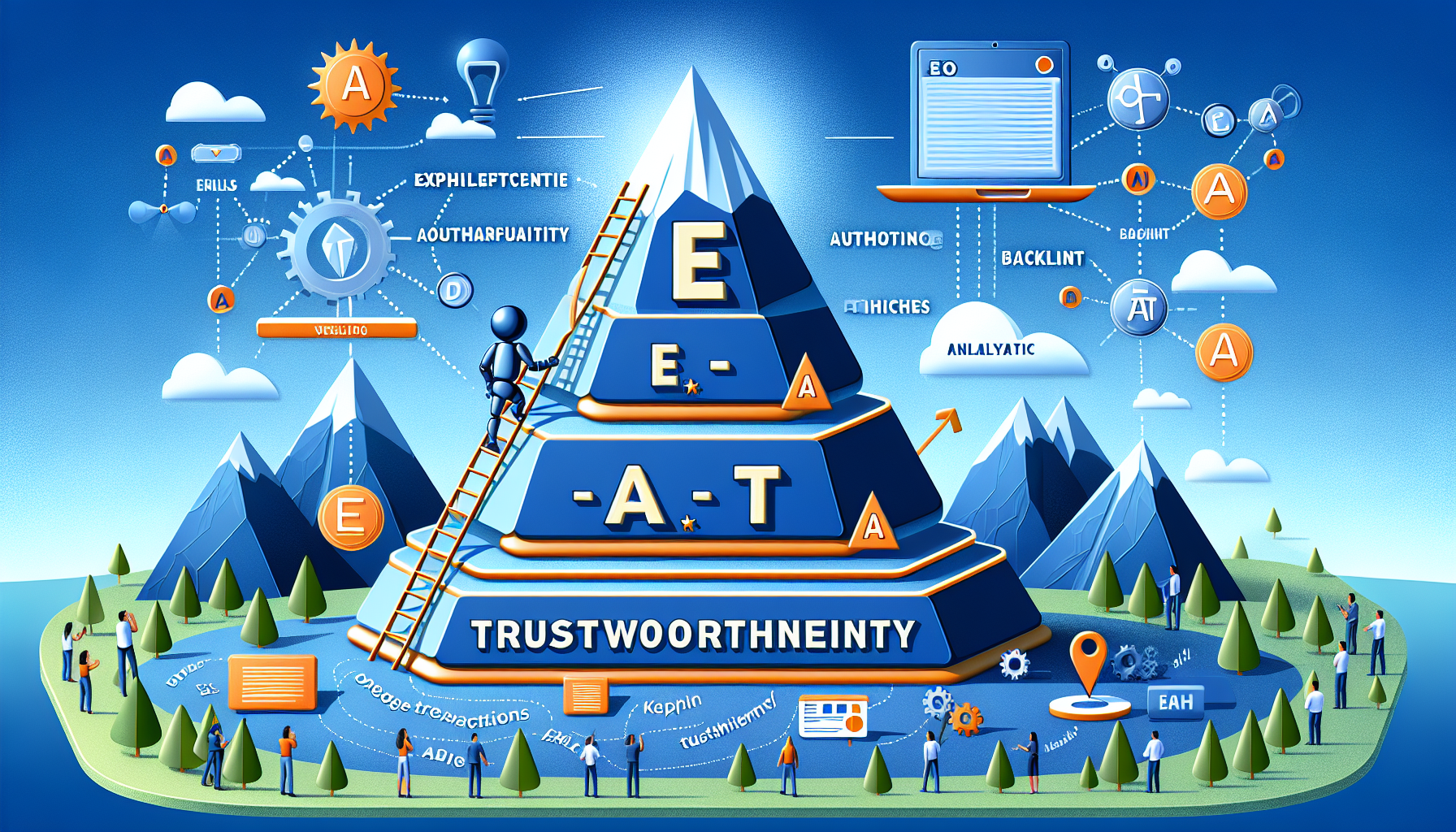
Mastering AI Content with E-E-A-T Principles: Boosting SEO Success
Navigating the digital marketing landscape often feels like trying to catch lightning in a bottle—especially when it comes to leveraging AI for content creation. AI tools like ChatGPT have democratized content generation, while new challenges arise around maintaining quality and relevance in a sea of digital noise. Fear not, though, for integrating the E-E-A-T framework—Experience, Expertise, Authoritativeness, and Trustworthiness—into your AI strategy can help ensure your content stands out and succeeds in today’s competitive SEO environment.
Understanding E-E-A-T: A Necessity for Modern Content
Before diving into the practicalities, let’s dissect why E-E-A-T matters. This Google-driven standard is essential for assessing content quality, ultimately affecting your SERP rankings and user engagement. Quality content is no longer just about ticking the SEO boxes; it's about satisfying user intent and delivering reliable, insightful experiences.
Experience involves showcasing firsthand knowledge and anecdotes. Experts, such as personal trainers, might supplement AI-generated workout guides with personal fitness stories to connect with readers on a practical level.
Expertise requires profound knowledge. For instance, a financial advisor creating content on investment strategies can demonstrate expertise through detailed case studies and industry-specific insights.
Authoritativeness is all about credibility. In fashion blogging, showcasing partnerships with reputable brands or featuring guest posts from industry-leaders can boost perceived authority.
Trustworthiness means being transparent and accurate. A cooking blog can build trust by citing reputable sources for nutritional info and openly sharing any sponsored affiliations.
Crafting AI Content with E-E-A-T: Steps to Success
1. Start with a Content Audit
Begin your AI content journey by conducting a thorough content audit. This involves evaluating how well your existing content aligns with E-E-A-T standards. Use AI to scan for gaps in author bios and expert evidence, ensuring your content accurately reflects your brand’s core themes and user intent.
2. Understand Your Target Audience
Knowing your audience inside out is pivotal. Conduct persona audits to identify who your content is for and what they seek. A software company, for example, might target IT professionals looking for efficiency solutions, thus tailoring content that speaks directly to these needs, whether it’s through troubleshooting guides or product reviews.
3. Strategic Content Planning
Plan your content with precision, aligning topics with both audience interest and E-E-A-T elements. Use AI tools like ChatGPT for brainstorming, but enrich these frameworks with human insights and a content calendar for strategic execution. If your blog covers wellness, ensure your content plan includes everything from mental health tips to holistic lifestyle advice.
4. Collaborate with AI, Not Rely on It
After setting the foundation, use AI to draft content, but don’t stop there. Layer AI-generated texts with personal narratives or industry expertise. For instance, a marketing agency might automate the drafting of marketing trends but refine it with expert insights and case studies from successful campaigns.
Tackling Common AI Content Pitfalls
AI content is efficient but can lack depth. Here’s how to mitigate common issues for optimal E-E-A-T integration:
-
Lack of Personal Experience: Introduce personal stories and real-life examples. Fashion influencers could enhance AI-written content with their unique style tips or fashion week experiences.
-
Questionable Expertise: Supplement AI writing with expert opinions or guest contributions. A health blog might bring in medical professionals to write or verify contentious topics like dietary supplements.
-
Trust Issues: Ensure all content is fact-checked and sourced from credible references. News blogs, in particular, should link back to original reporting or studies to validate claims.
The SEO Edge: Why Google Values E-E-A-T
Google appreciates content that prioritizes user value over algorithmic manipulation. By utilizing AI to complement human creativity and emphasizing E-E-A-T, you create content that excels in user satisfaction and SEO outcomes. Remember, while AI can churn out articles, authentic human interaction and credibility remain irreplaceable.
Final Thoughts
In the rapid world of AI-driven content, E-E-A-T principles serve as the North Star for creating material that resonates with readers and elevates SEO standing. Use AI for efficiency, but let human expertise and authenticity guide all endeavors. When executed thoughtfully, your digital marketing strategy can transcend beyond mere content generation to fostering genuine engagement and influence.
FAQs
What is E-E-A-T and how does it benefit SEO?
E-E-A-T stands for Experience, Expertise, Authoritativeness, and Trustworthiness, and serves as a guideline to improve content’s quality and its SEO impact by fostering trust and satisfying user intent.
Can AI content meet E-E-A-T standards?
Yes, when combined with human insight and expertise, AI-generated content can align with E-E-A-T by embedding personal experiences, expert knowledge, and trust-building attributes.
Why should I combine AI and human content creation?
Combining AI and human efforts ensures both efficiency and depth in content. While AI handles volume and basic structuring, human input enriches context, emotion, and authority.