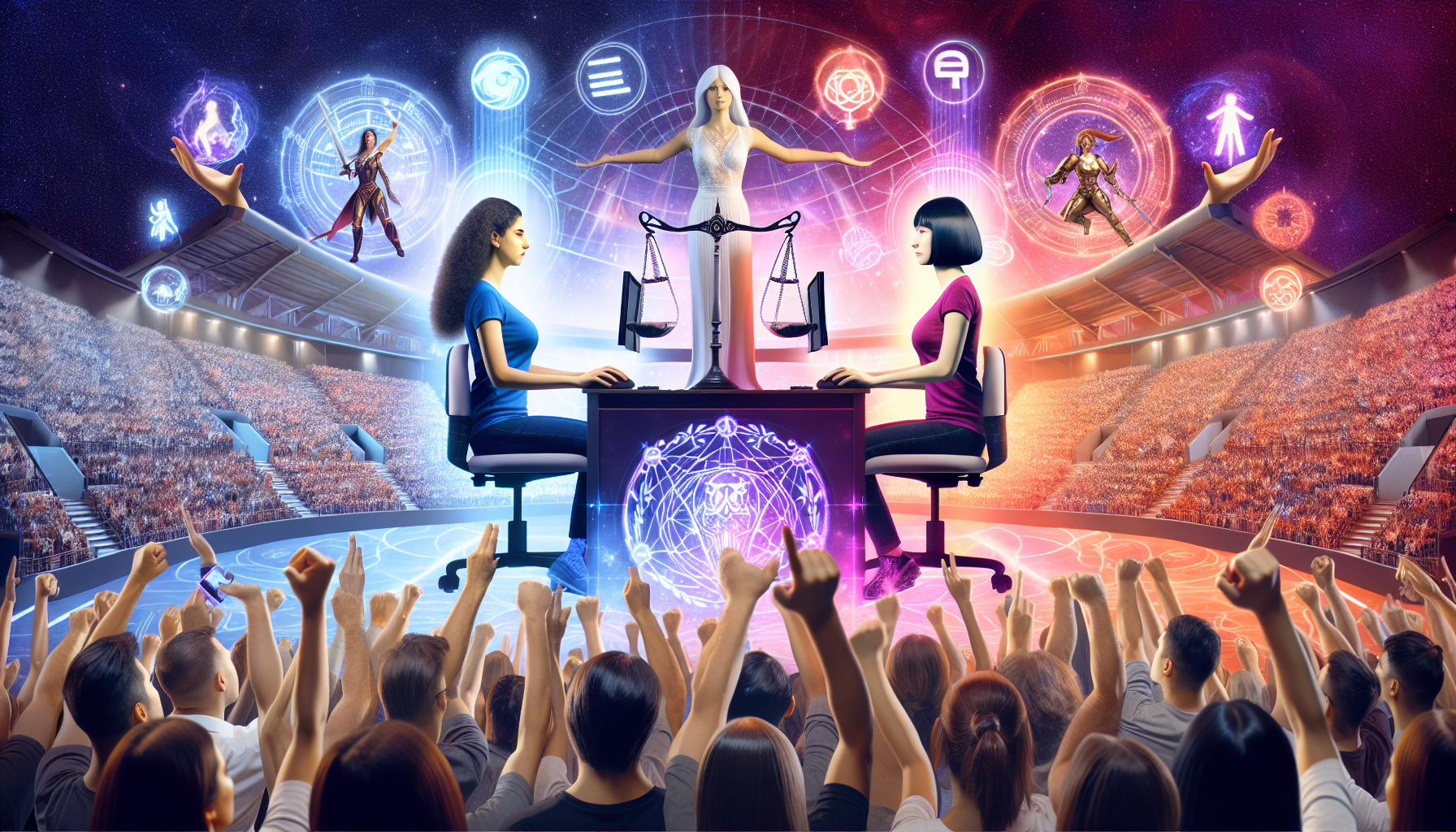
Expanding Women's Horizons in Esports: Opportunities and Challenges
In today's dynamic world of gaming and esports, opportunities abound. Yet, as this arena grows, it's clear that not everyone benefits equally, particularly women. Despite representing nearly half of the global gaming community, women are significantly underrepresented in professional esports, highlighting a pressing need for inclusion and equal opportunities across gaming ecosystems. In this blog, we'll explore the current landscape of women in esports, the initiatives driving change, and the ongoing challenges faced by female gamers.
The Current Landscape for Women in Esports
Women account for approximately 50% of the gaming community, yet only a meager 5% make up the professional esports player pool. Alarmingly, within the top 500 highest-earning esports professionals, women are notably absent. This discrepancy is partly due to fewer opportunities and persistent challenges such as pay disparity and harassment. According to Esports Earnings and a report by Best Online Casinos, female professional esports players earn a stark $3.42 for every $100 earned by their male counterparts. Such figures underscore the need for systemic change within the industry.
Initiatives Making a Difference
Recognizing this disparity, several forward-thinking initiatives are creating waves in the esports world. A notable example is the "Milk Cup," a women-centric Fortnite tournament co-launched by Stagwell's agency Gale and its client MilkPEP. With a $250,000 prize pool—the largest for a women's tournament in North America—the Milk Cup aims to elevate female gamers by providing a platform for competition, as well as roles in production and broadcasting. Encompassing Twitch broadcasts, influencer collaborations, and lively discussions on Discord, the Milk Cup exemplifies how gaming can serve as both a battleground and a platform for empowerment.
Additionally, partnerships like those from Design Bridge and Partners’ collaboration with Black Girl Gamers organize virtual events to enhance diversity and representation. Brands like Dove and L'Oréal are also taking steps to create diverse, playable characters and influencer programs in games.
Marketing with Inclusivity and Purpose
The gaming environment serves not only as a competitive stage but also as a burgeoning space for creative marketing initiatives. For instance, Gale's strategy involves treating advertisements as entertainment rather than traditional ads, engaging audiences through fun and community-oriented events. The Milk Cup, facilitated by influencers like esports player Peach, generated immediate interest, with registration numbers climbing by 75% compared to past tournaments.
Such inventive marketing appeals directly to Gen Z's desire for authentic connection and community engagement. For brands like MilkPEP, the combination of marketing with inclusivity provides a dual benefit: fostering brand loyalty and amplifying female representation in gaming.
Overcoming Persistent Challenges
Despite progress, several challenges remain. The esports community can be exclusionary and even hostile, with female players often facing harassment. Such toxicity can deter participation and career advancement for many aspiring female esports professionals. Changing this toxic culture requires concerted effort, not just from players and fans, but from the entire gaming industry, including game developers, sponsors, and platforms.
The Road Ahead
Looking forward, the convergence of gaming and traditional advertisements is poised to continue growing. As more brands and agencies recognize the untapped potential of inclusive marketing within gaming ecosystems, the industry can anticipate broader representation and engagement.
By focusing on diversity and creating content that resonates with varied audiences, the esports industry can become a thriving, equitable space for all genders. As brands continue to uplift female voices and create impactful campaigns—like MilkPEP's Milk Cup—we edge closer to a future where gender disparity in esports is a thing of the past.
Conclusion
The journey to full inclusivity in esports is far from over. However, with initiatives like the Milk Cup and strategic partnerships driving positive change, there is much to look forward to. Empowering and representing women in esports not only opens up new avenues within the industry but also paves the way for richer, more diverse narratives within the digital gaming community. Let us champion these changes and support the efforts that aim to create a level playing field for all esports enthusiasts, regardless of gender.